Standing Out in the Modern Tattoo Industry: Professional Image and Digitalization
By Emmanuel (MedTattoo), professional tattoo artist and trainer · Reviewed by Maxime, MedMax SARL · Published · Updated
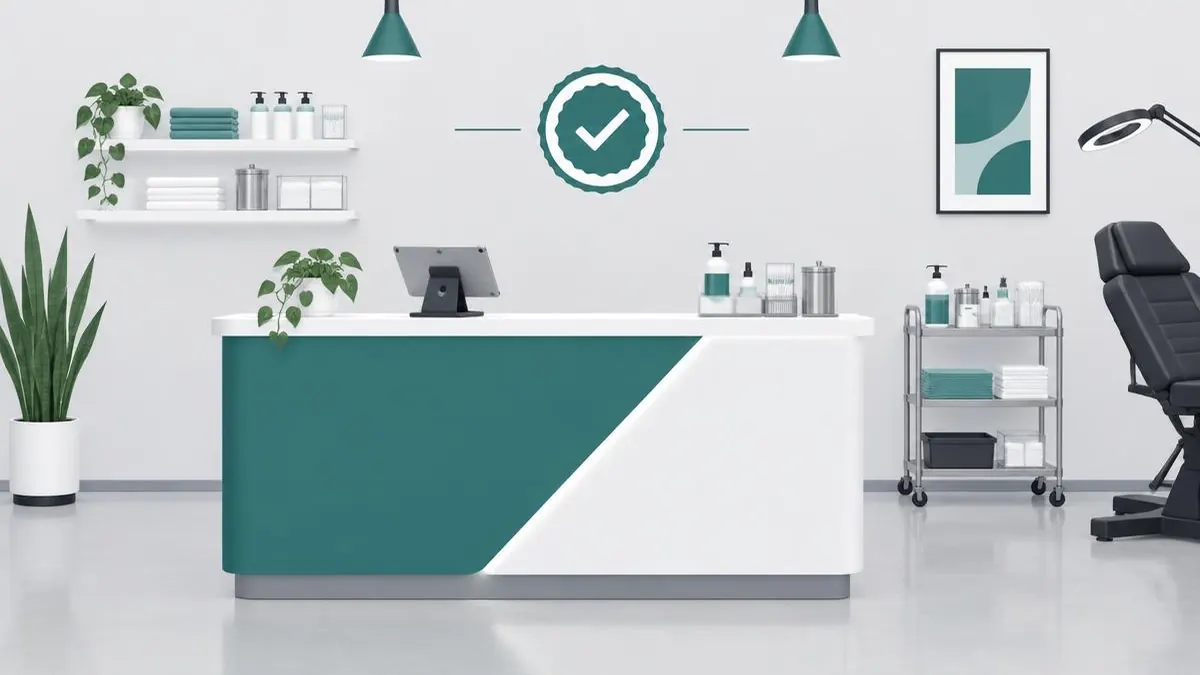
The Evolution of the Tattoo Artist: From Rebel to Professional
In the past decade, the tattoo industry has undergone a radical transformation. What was once a niche subculture has exploded into a mainstream creative powerhouse. While the spirit of rebellion remains a core part of the aesthetic, the business landscape has become hyper-competitive. Today, having talent isn't enough; you need to master professional tattoo artist branding and provide a seamless client experience.
To truly stand out as a tattoo artist, you must bridge the gap between artistic mastery and modern business management. This article explores how to elevate your image, leverage digital tools, and build a reputation that converts followers into long-term clients.
1. Defining Your Visual Identity and Personal Brand
Your brand is more than just your logo or the style of your flash. It is the emotional and professional promise you make to your clients. A cohesive tattoo artist image communicates reliability before a client even sees your portfolio.
Developing a Signature Aesthetic
Whether you specialize in Blackwork, Neotraditional, or Fine Line, your digital presence should reflect that niche. Consistency is key. Use a unified color palette and typography across your website, social media, and business cards. When your aesthetic is recognizable at a glance, you create a brand memory that sets you apart from the crowd.
Authenticity and Storytelling
Clients today value the person behind the machine. Share your process, your inspirations, and even the music playing in your studio. Storytelling builds trust. When a client feels they know you, the anxiety of getting tattooed decreases, making them more likely to book with you over a competitor.
2. The Digital Transformation: Why Modernization Matters
The era of managing bookings via Instagram DMs and paper calendars is fading. Professionalism today is defined by how easy you make it for clients to work with you. Digitalization is no longer optional; it is a prerequisite for growth.
Automating the Administrative Burden
Nothing screams 'amateur' more than double-bookings or lost deposits. Implementing a dedicated software solution is the fastest way to upgrade your professional image. Tools like Tattoomorrow let you centralize your appointments, deposit tracking and consent forms, ensuring that you spend more time tattooing and less time acting as your own secretary.
A Structured Intake Process
A structured intake process shows that you value your time and your client’s time. Whatever the channel—DM, email or a booking form—ask for placement, size, budget and visual references upfront. This reduces back-and-forth friction and helps you identify serious inquiries.
3. Credibility: Building Trust in a Permanent Industry
Tattoos are permanent, and the stakes for your clients are high. Building credibility is about safety, transparency, and communication.
Hygiene and Studio Standards
Showcase your clean workspace. Modern clients are highly conscious of health standards. Regularly posting videos of your setup process or showcasing your sterilization equipment on social media isn't just a safety requirement—it's a marketing tool that reinforces your status as a high-end professional.
Reviews and Social Proof
Don't be shy about asking for reviews. Verified feedback on Google or social media platforms acts as a social safety net. When potential clients see that others have had a comfortable, professional experience, their resistance to booking drops significantly.
4. Client Experience: The Secret to Retention
A stand out tattoo artist is one who understands that the tattoo itself is only 50% of the product. The other 50% is how the client felt during the session.
- Pre-care and Aftercare: Provide clear, digital instructions before and after the appointment.
- Communication: Send automated reminders 24-48 hours before the session.
- Environment: Ensure a welcoming atmosphere, whether it's through a curated playlist or offering water and snacks.
By using a platform like Tattoomorrow, you can automate these touchpoints, ensuring that every client feels prioritized without you having to manually send dozens of emails every day.
5. Networking and Continued Education
The industry moves fast. To maintain a modern image, you must remain a student of the craft. Attend conventions, participate in guest spots, and invest in workshops. Mentioning your continued education to your audience shows that you are dedicated to providing the best possible service, further solidifying your professional brand.
Conclusion: Embracing the Future of Tattooing
Standing out in the modern market requires a shift in mindset. You are an artist, but you are also a business owner. By focusing on your visual identity, embracing digital tools like Tattoomorrow to streamline your workflow, and prioritizing the client experience, you transform from a "local tattooer" into a sought-after professional brand.
The tools are available to help you reclaim your time and elevate your craft. Are you ready to modernize your studio?
Training
EvoTattoo is MedMax SARL's tattoo school, the company that publishes Tattoomorrow. Its training courses are in French and take place in France.
FAQ
How can I improve my tattoo artist branding on a budget?
Focus on consistency. Use the same profile picture, handle, and aesthetic across all platforms. Improving your lighting for portfolio photos and using free tools for basic graphic design can also make a huge difference.
Why is digitalization important for tattoo artists?
Digitalization reduces human error, such as double-bookings, and provides a more professional experience for the client through automated reminders and digital consent forms.
Does using booking software make me feel less personal?
Quite the opposite. By automating the administrative tasks, you have more mental energy and time to focus on the creative relationship with your client during the session.
What is the best way to deal with client ghosting?
The best way is to require a deposit at the time of booking. Using professional management software allows you to track deposits received outside the app and send automatic email reminders, helping reduce no-shows.